The history of the Soriano motorcycle brand is nearly as complex as the history of its founder, Ricardo Soriano y Scholtz (1883 – 1973). As the Second Marquis of Ivanrey, Ricardo Soriano was a Spanish aristocrat with an expansive range of interests and studied mechanical engineering in Belgium. His engineering talents came to prominence through many diverse projects, including the Soriano-Pedroso automobile, built in Biarritz, France in the 1920s and the range of marine outboard engine designs on which he collaborated with Paul Bonnemaison.
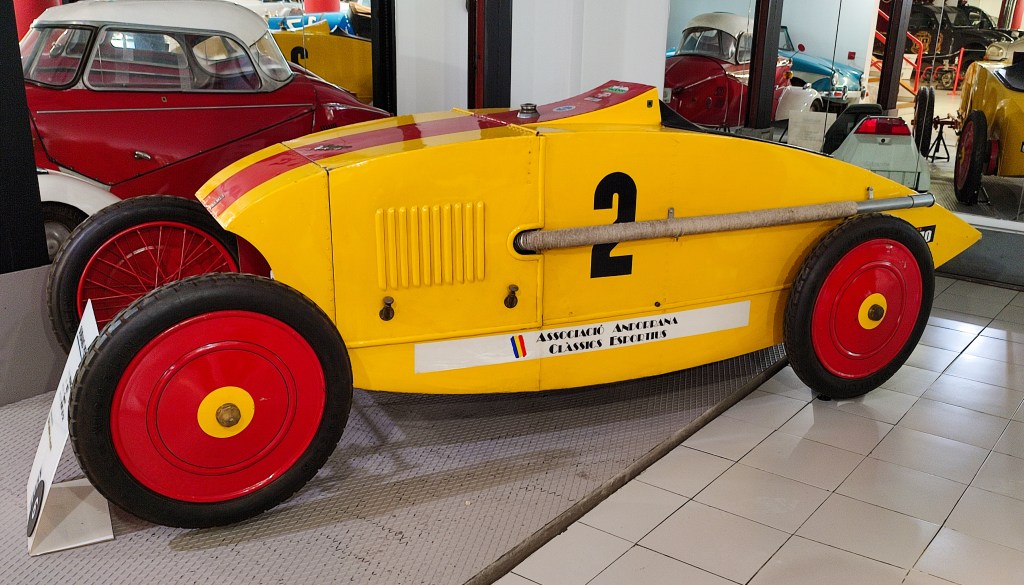
This 1922 example of a Soriano-Pedrosa is one of only two known survivors and is displayed in the Musée National de l’automobile, Encamp, Andorre.
They developed the first Soriano outboard engine in 1929 and subsequently their 4 cylinder and 6 cylinder, boxer format engines were very advanced and built in Barcelona by Orpheo Sincronic SA (OSSA) with whom Ricardo Soriano had entered a partnership agreement in 1932.
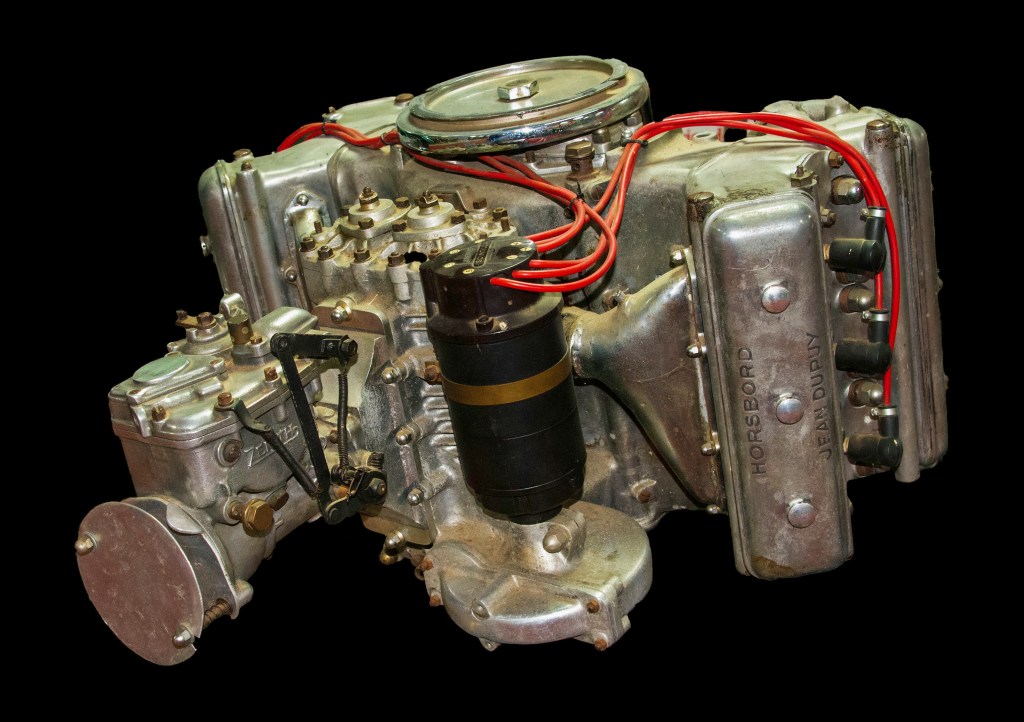
This 6 cylinder marine engine is displayed in the OSSA Museum in Utebo (Zaragoza)
Soriano himself withdrew from the marine engine business in 1933 and sold his patents but the engines still bore his name. Incidentally, Senor Soriano also found time to set World Speed Records in a boat powered by one of his own engines.
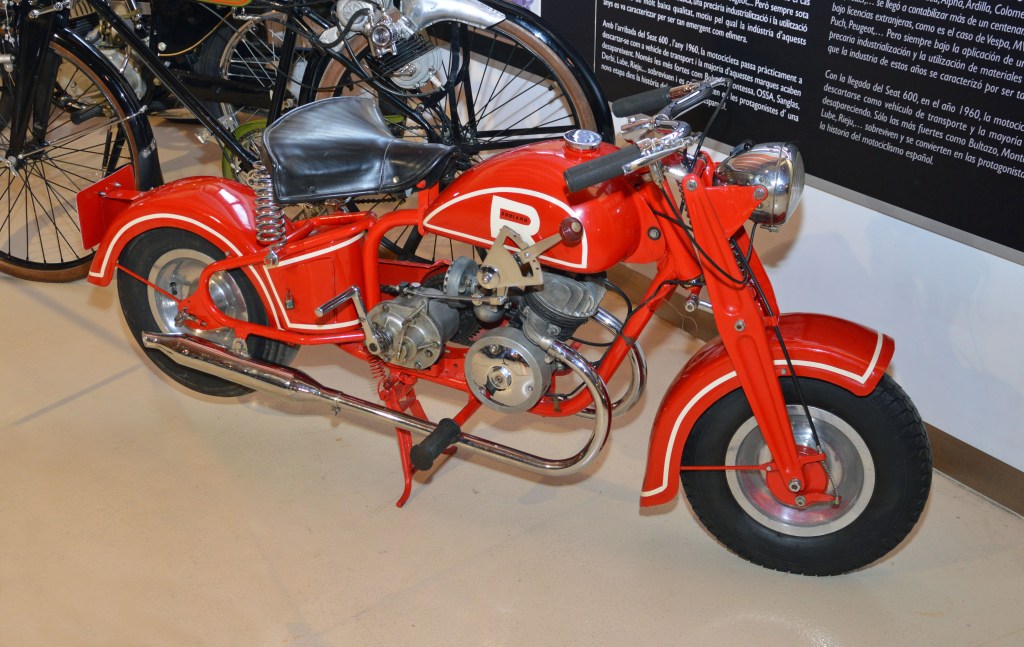
This 1944 Soriano Tigre is in the Museu de la Moto – Bassella, Catalonia.
After the conclusion of the Spanish Civil War, Ricardo Soriano returned to Spain and established R Soriano SA in Madrid in 1941. The company produced motorcycles, including scooters, as well as derivatives such as motocarros or cargo tricycles. In 1954, R Soriano SA ceased operations.
During their history, Soriano manufactured several popular small-wheel motorcycle models, totalling some 6,000 units. The company focused on minimizing weight and controlling raw materials to restrict costs. Their models displayed similarities by using small wheels and British Villiers, single cylinder, air cooled, two strokes with differing capacities between 96cc and 122cc.
The first model, the Steel Colt, was a series of 100 units with a forced air-cooled engine. The second model, the Tigre (Tiger), was intended to have a production run of 1,000 units but was limited to 200 due to reliability issues. These early models were followed by the Puma, Lince and Pantera.
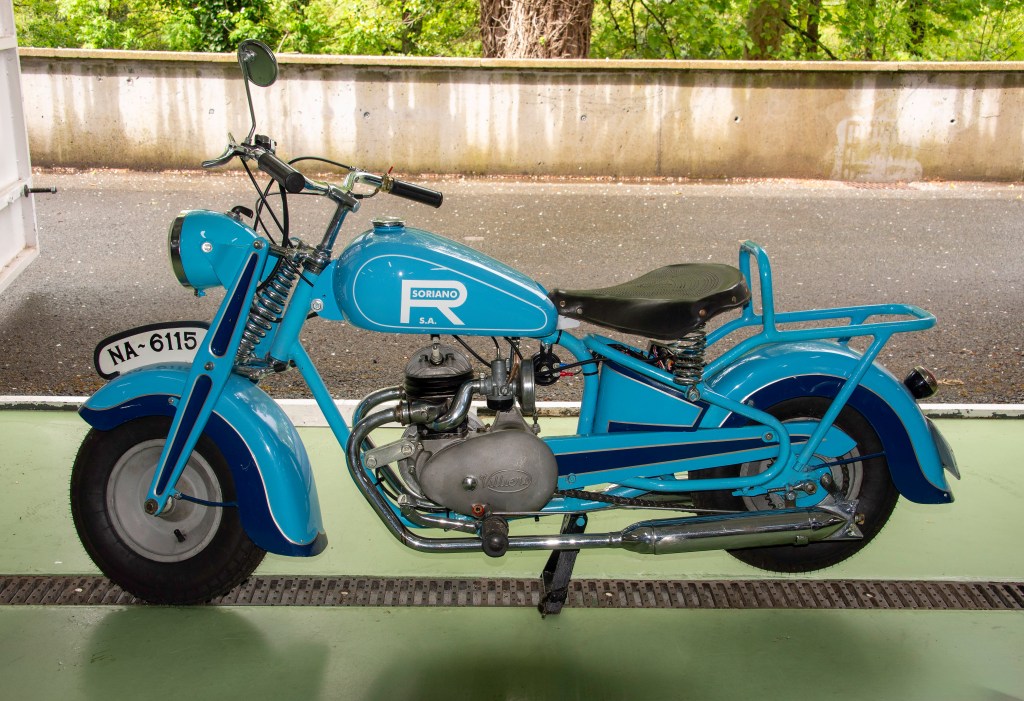
This Soriano Puma is in the Team Lazpuir Collection
Around 1954, the Soriano motorcycle factory closed, and Ricardo Soriano himself moved to Marbella, where he would become involved in tourism and the associated property building boom.
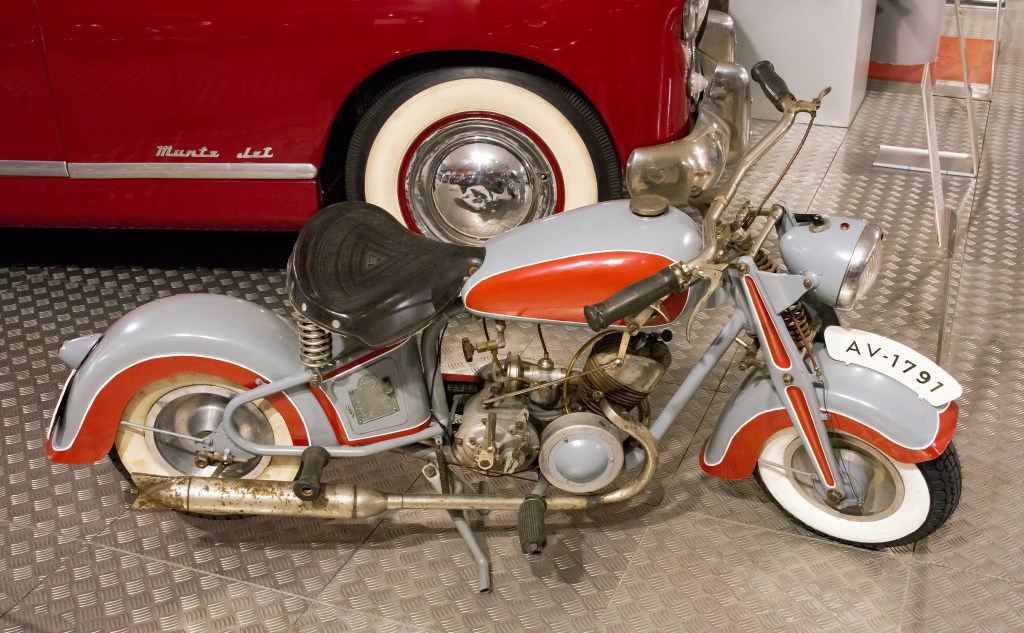
Soriano Lince dated 1954/5, at the end of the production of the brand. This bike is on display in the Museo de Historia de la Automocion de Salamanca (MHAS)
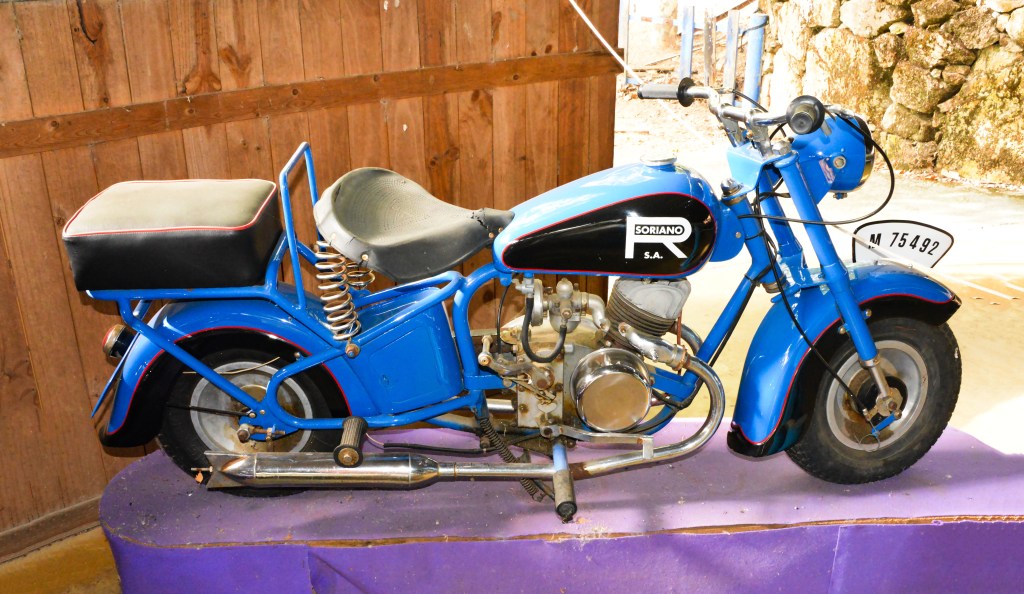
This Soriano Pantera was photographed at the Museo de la Moto y el Coche Clasico, 10700 Hervás (Cáceres)
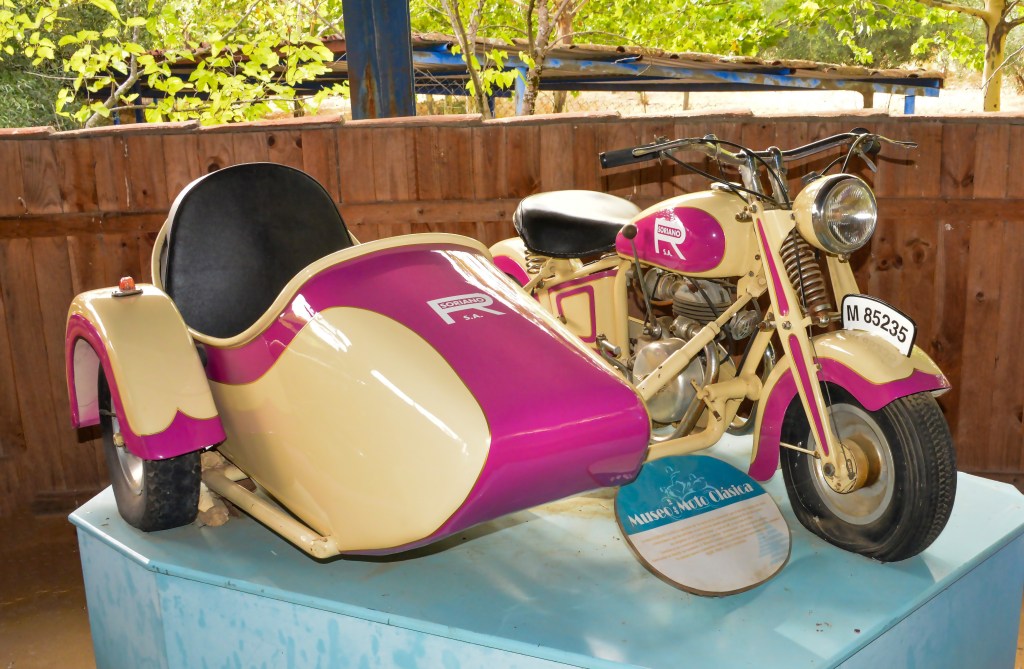
Soriano Puma and Sidecar from circa 1949 at the Museo de la Moto y el Coche Clasico, 10700 Hervás (Cáceres)
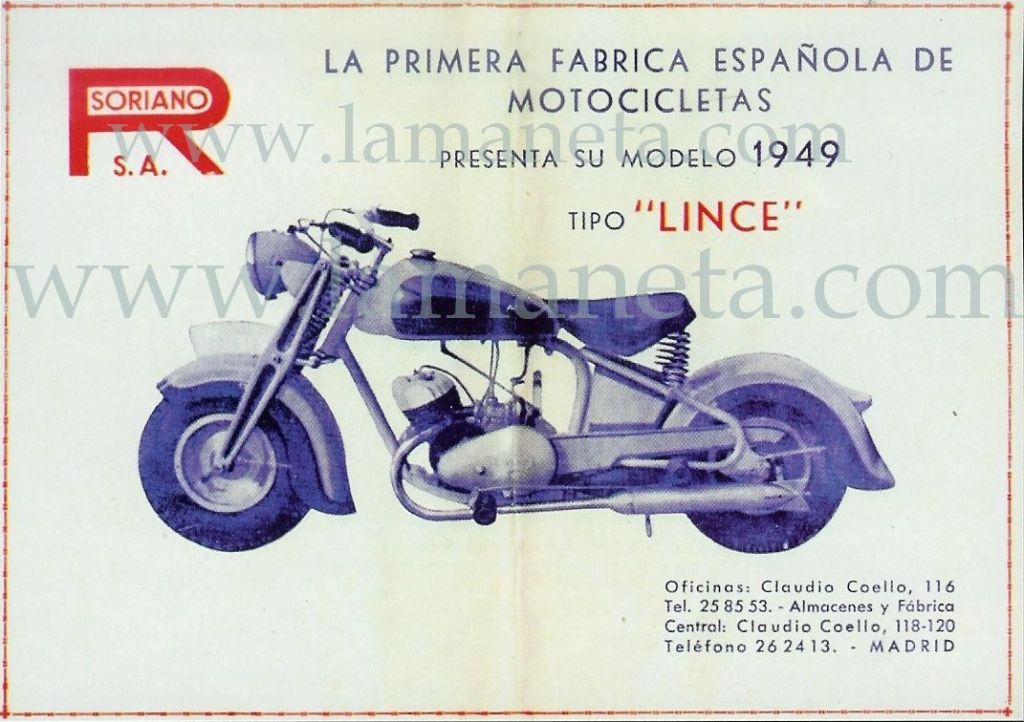
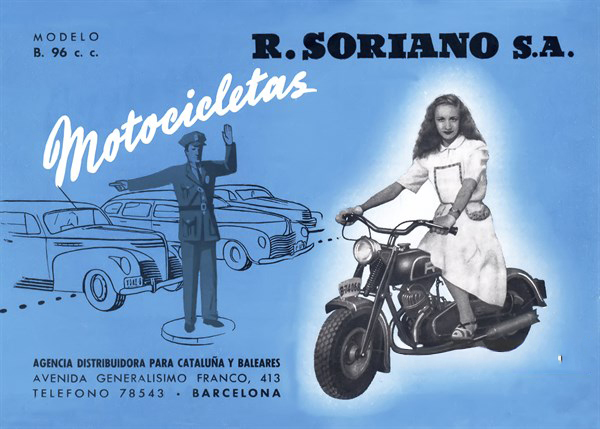
This advertisement is reproduced with the kind permission of the Lamaneta website http://www.lamaneta.com