
MYMSA (Motores y Motos Societé Anonyme) were a Catalan – Barcelona based – manufacturer of motorcycles and lightweight vehicles, active from 1953 to 1963 but their full story starts long before that. In 1929, the Aragall brothers (Francesc and Guillem) started a business for general automobile repairs – Tallers Aragall. Francesc had two sons, Josep and Jaume, who both joined the family business, serving an apprenticeship there whilst studying at the Industrial Technical College in Barcelona.
By the end of the 1940s, Tallers Aragall was a thriving enterprise and Josep and Jaume were looking to expand. They saw motorcycles as an opportunity but were disappointed in what was available, so they set about designing their own. A 125cc 2-stroke engine with two ports (like the German DKW) is designed by Josep, whilst Jaume designed a larger capacity diesel engine as initially, they had hoped to produce an entry level motorcycle and a lightweight commercial vehicle. They fitted their 125cc engine into an Ardilla frame, adding extra parts to complete a roadworthy bike. They want to produce motorcycles based on their own engine, but the Franco-Spanish administration is a recurring obstacle in the MYMSA story. The production of vehicles was strictly controlled, and the brothers had to wait nearly 2 years before they were authorised to produce for retail. These first MYMSA motorcycles, now named the A -1 went on sale in 1953 and this was the commercial birth of MYMSA.

This replica 125cc A-1 and all the machines on this page are in the MYMSA Collection of Jaume Aragall & Josep Aragall at 08187 Santa Eulàlia de Ronçana (Barcelona)
Each year of production saw subtle changes made to their models, eventually producing a 175cc engine. In tandem with this, they produced the Rana 3R, a tricycle van, as seen below.
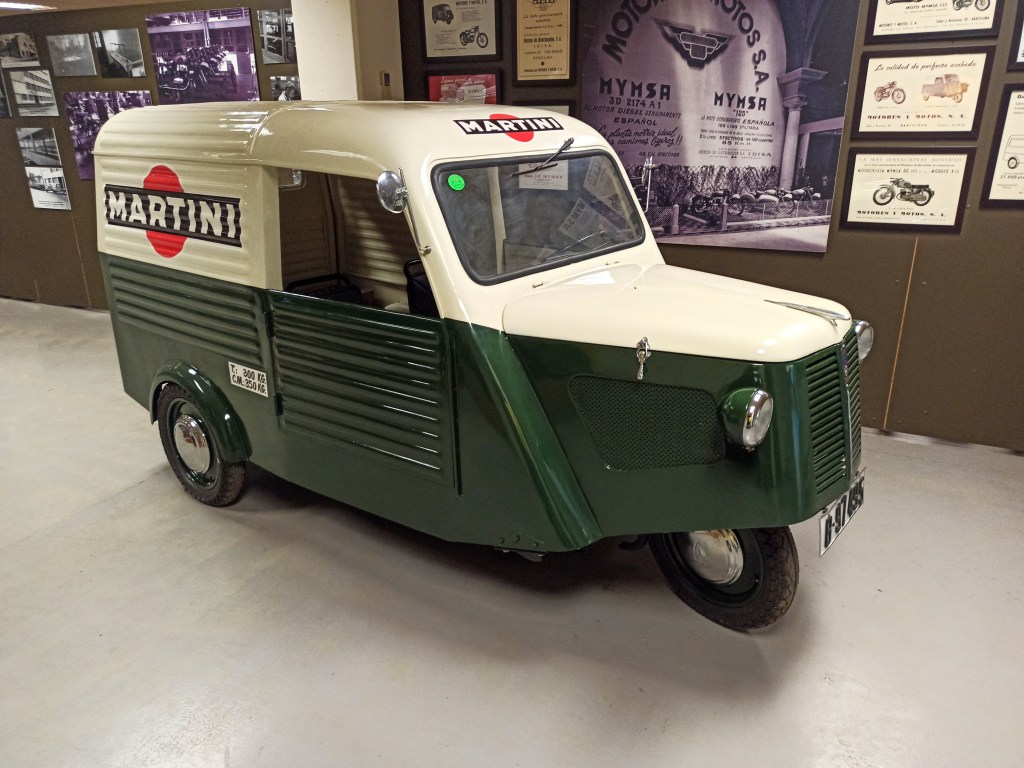
MYMSA Rana 3R
In 1955, they produced a prototype 4-wheeled MYMSA 4R diesel van, powered by a two-stroke diesel 500cc engine and this was shown at the 1955 Barcelona Trade Fair. Sadly, the administrative obstacles were imposed again and the necessary permits that they required, and had applied for, to build 50 of the 4R trucks, were rejected. To the best of my knowledge, no examples survive.
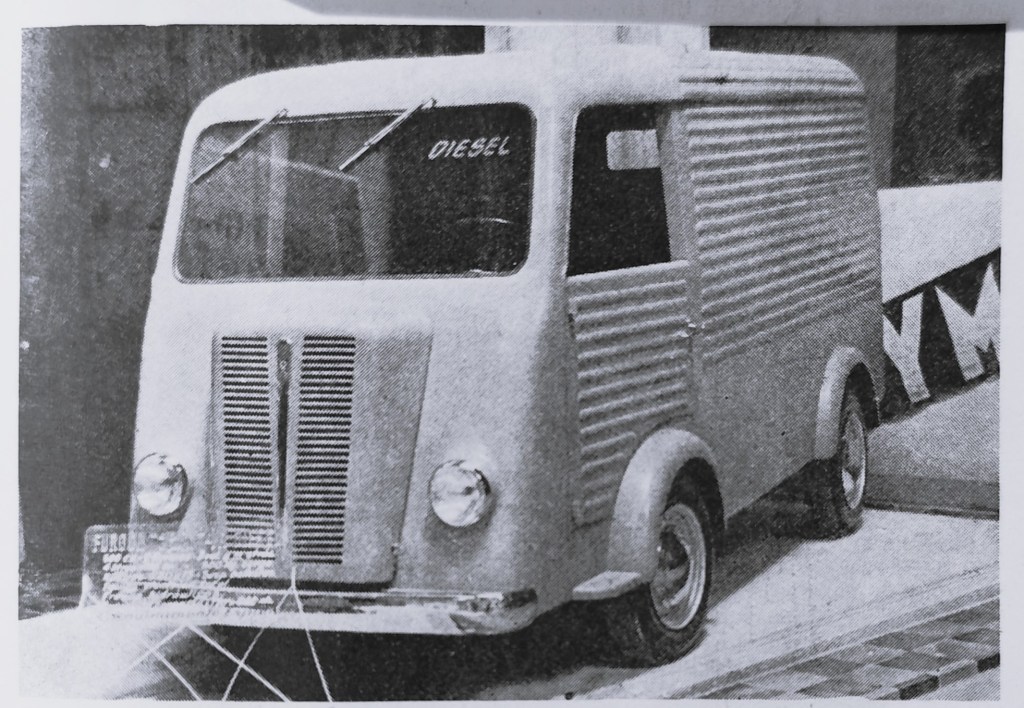
MYMSA Rana 4R (Photo from an old, obsolete, motoring magazine)
In 1958, MYMSA introduced the X-13. This was seen as the future with a pressed steel chassis and the newer 175cc engine. The new chassis would both speed up and simplify production thereby reducing costs. Unfortunately, the poor-quality raw materials that were available in 1950s Franco-Spain caused multiple problems, with frames splitting, particularly on the front forks. The significant costs of recalls and repairs meant that ultimately, the X-13 turned into a financial nightmare and was a significant factor in the decline of MYMSA.
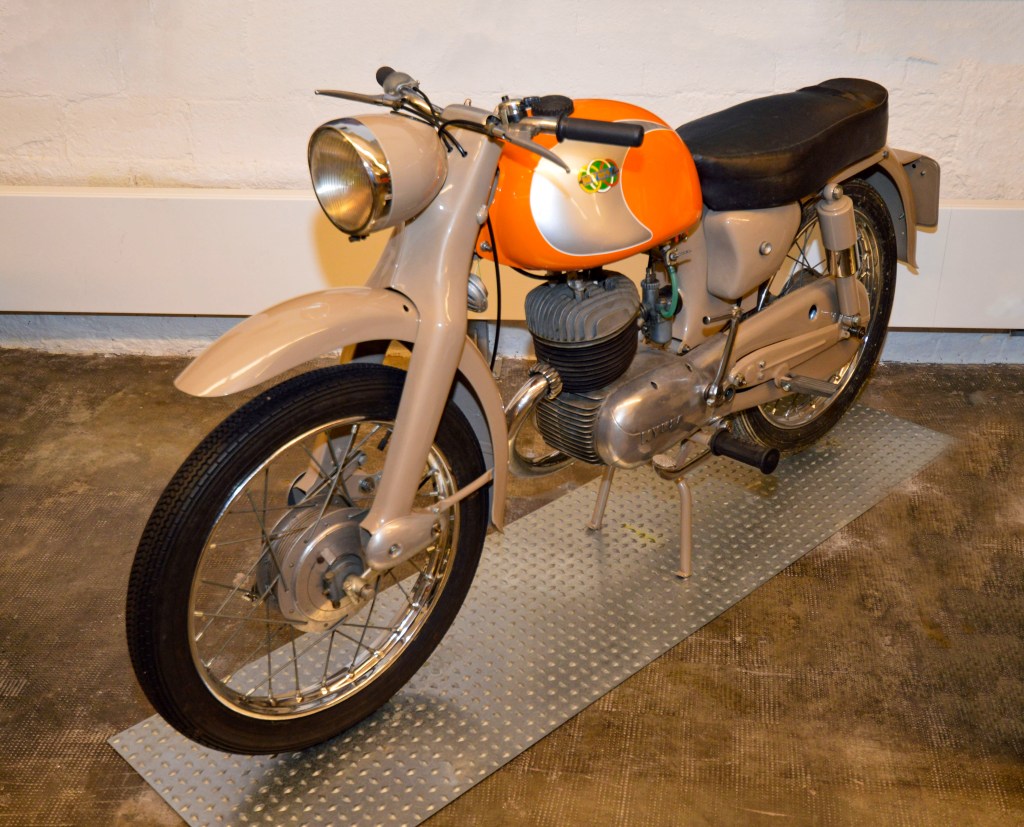
The MYMSA X-13 with pressed chassis and forks
Still determined to innovate, in 1959 the Aragall brothers introduced the remarkable X-3 Rural. At first glance, it looks like a variant with an added sidecar, but this is not the case, and it was a genuinely, innovative three-wheeler agricultural machine. The 175cc engine starts on petrol but can switch to heavier oil, important for costs and a solution to the poor-quality fuels of the time.
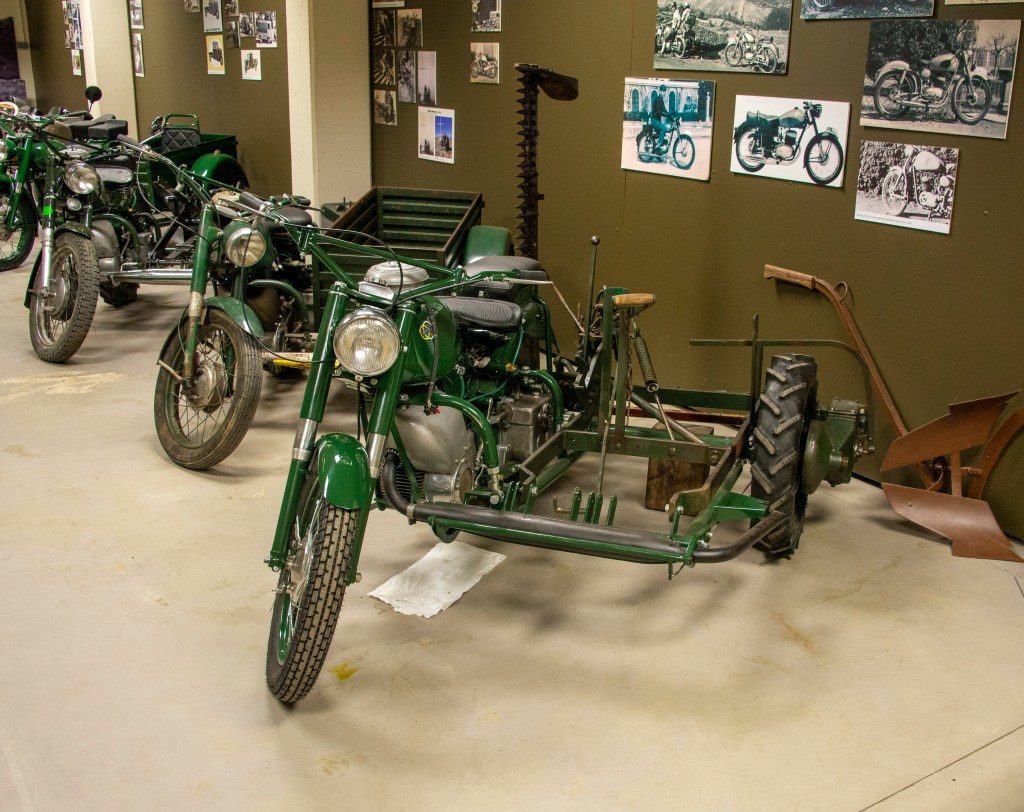
A line up of MYMSA X-3 Rural models at the MYMSA Museum
The X-3 had a 6 forward, 2 reverse gear transmission with drive to both rear wheels via a locking differential and had a Power Take Off (PTO) that permitted the driving of accessories. Many farmers of the time used it like a small tractor.
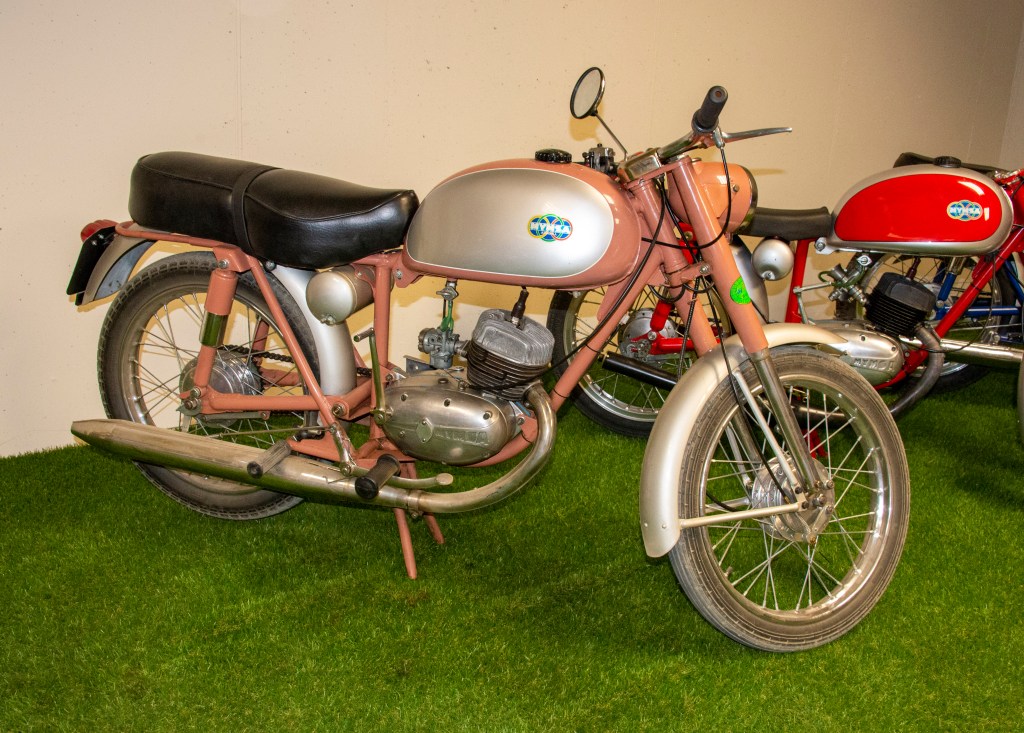
MYMSA Z-61 (74cc)

MYMSA X-121, 175cc from 1961, one of their last models
The decline and closure of MYMSA can be attributed to various reasons but the most significant were the punitive, retrospective costs incurred in the production of the X-13. This was compounded in 1961 by the introduction of new regulations limiting mopeds to 50cc (having previously allowed 75cc without a licence). The popular MYMSA Z-61 (74cc) now required the rider to be licenced and insured, and this effectively killed the market sector for the Z-61.
The cumulative effects of these financial handicaps and the increasingly diminished market share available led to their eventual closure in 1963.


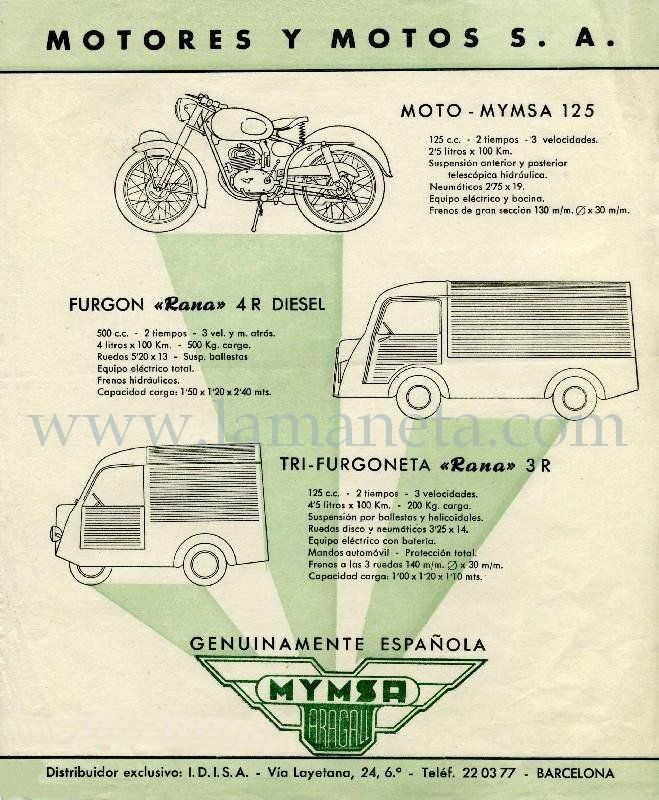
This last advertisement is reproduced with the kind permission of the Lamaneta website http://www.lamaneta.com
 Spanish Motorcycles