
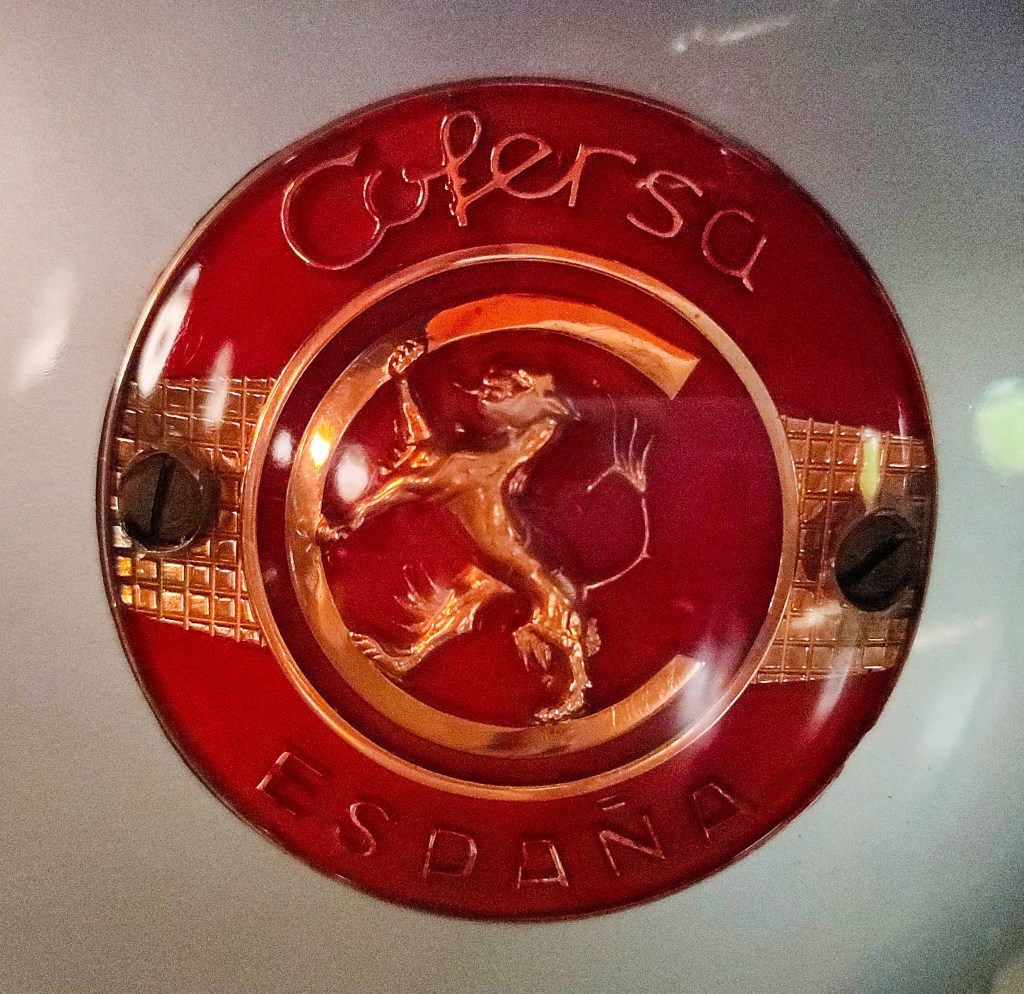
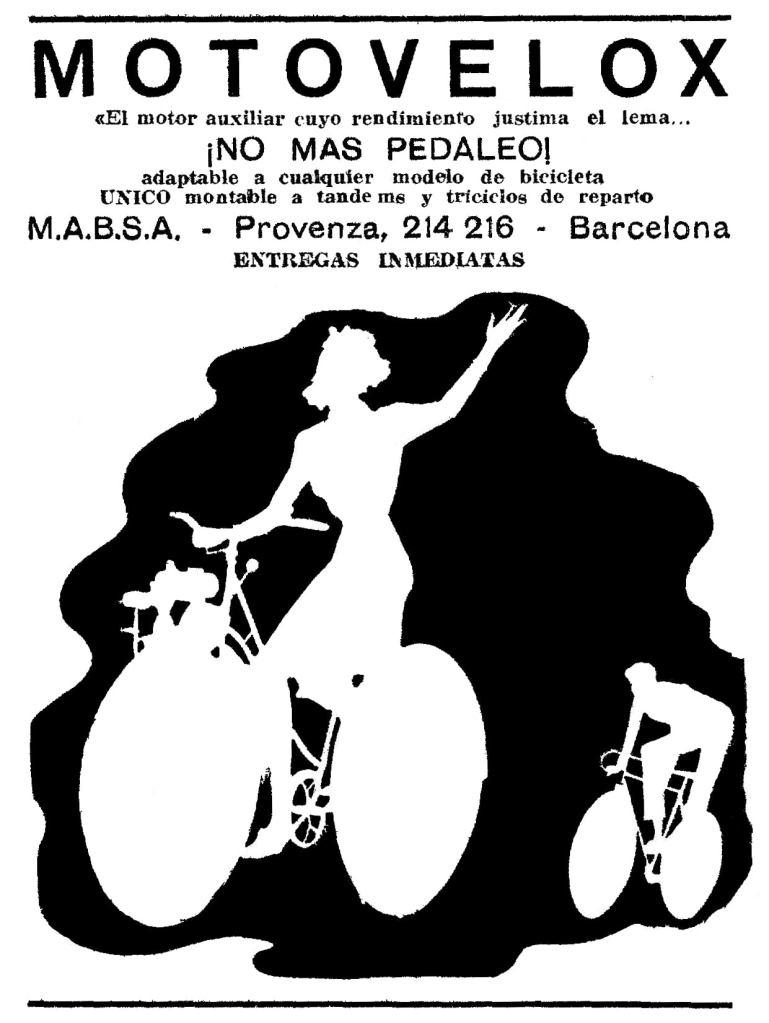
The Cofersa brand of motorcycles were manufactured between 1954 and 1962 in Madrid by the company Construcciones Ferrusola SA. The company was founded in 1953 by José Mercader Espinosa, an entrepreneur with previous experience in the construction of auxiliary engines for bicycles with the brand Motovelox. Motovelox were active between 1949 and 1952 and produced a 77cc auxiliary engine for front wheel mounting to bicycles and tandems.
The name of the parent company chosen by Sr Mercader, came from the surname of his wife, Antònia Ferrusola.
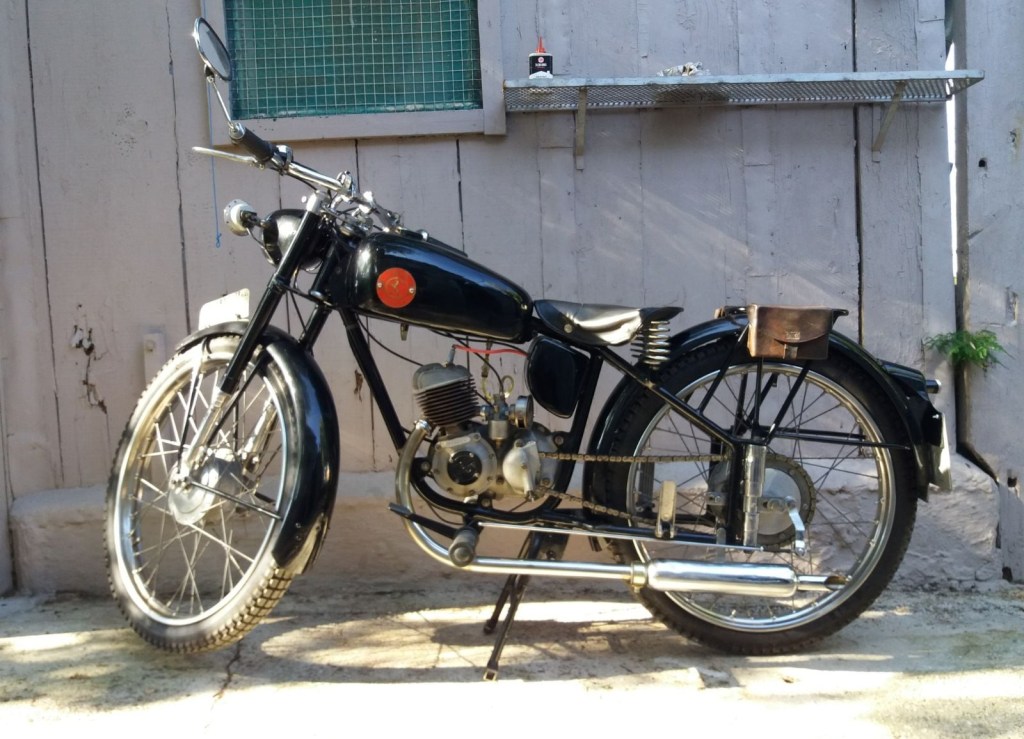
The first Cofersa motorcycle released in 1954 was equipped with a Villiers 2F, single cylinder, two stroke, 99cc (98.89cc) engine. Very few of these were built, circa 30 in total.
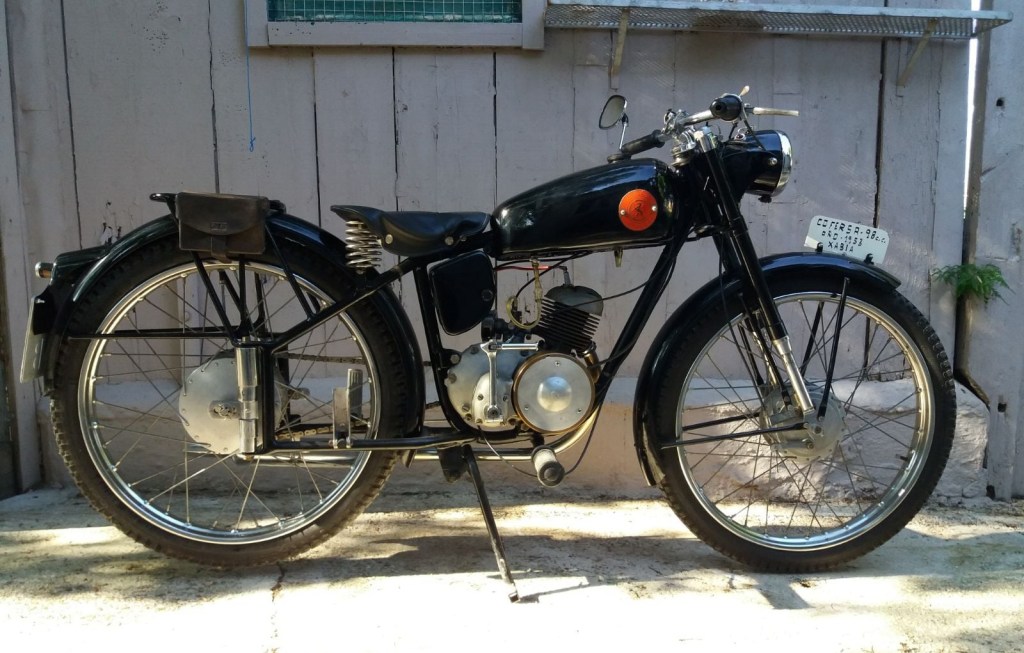
This very rare Cofersa 99cc is in the Familia Mercado Collection who kindly supplied the photographs..
The Cofersa brand were motorcycles of a conventional design but with enhanced solidity. The company publicity always stressed the functionality and build quality of the Cofersa machines, highlighting the use of Hispano Villiers engines, locally made in Barcelona.
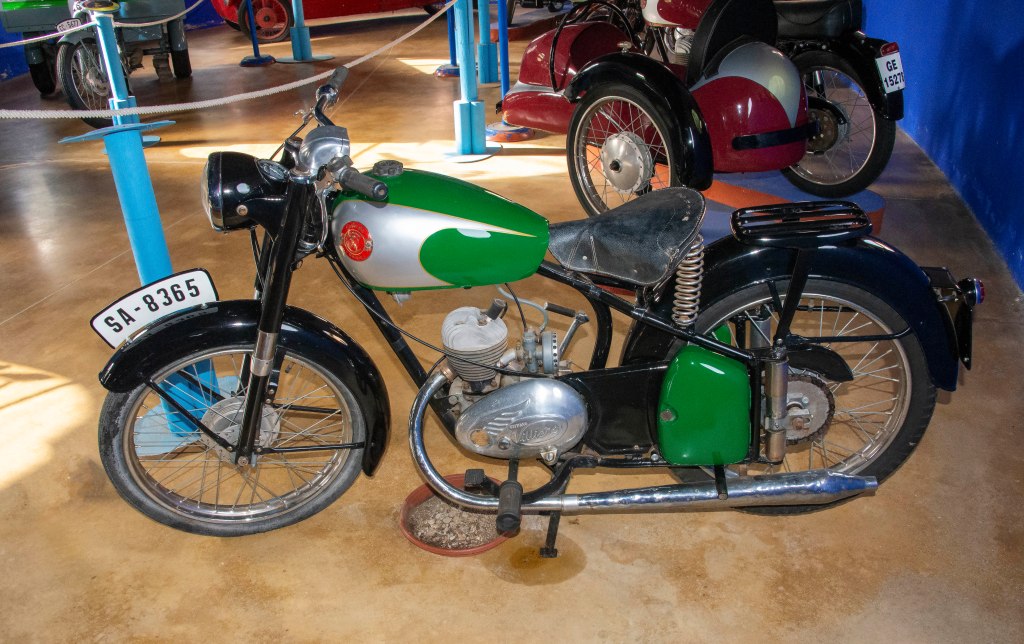
The first model from Cofersa was manufactured in 1954 and used an imported British Villiers 2F, single cylinder, 2 stroke engine of 99cc but this model was soon discontinued. It was replaced with a 125cc model with the Hispano Villiers type 10M air cooled, two stroke engine and 3 speed gearbox that had a production run of 94 units, in their first year. The 125cc unit (Bore x Stroke 50mm x 62mm = 122cc) gave 6 HP at 4,000 rpm with consumption of 2 litres per 100 kilometres and a reservoir of 11.5 litres.
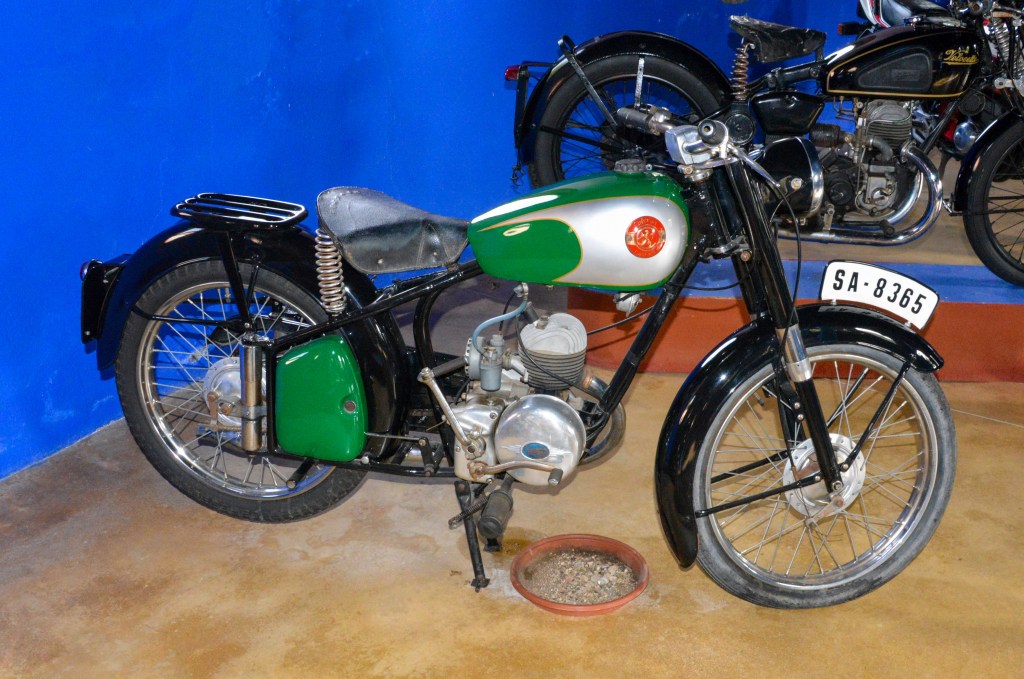
This Cofersa 125cc was photographed at the Museo de la Moto y el Coche Clasico, 10700 Hervás (Cáceres)
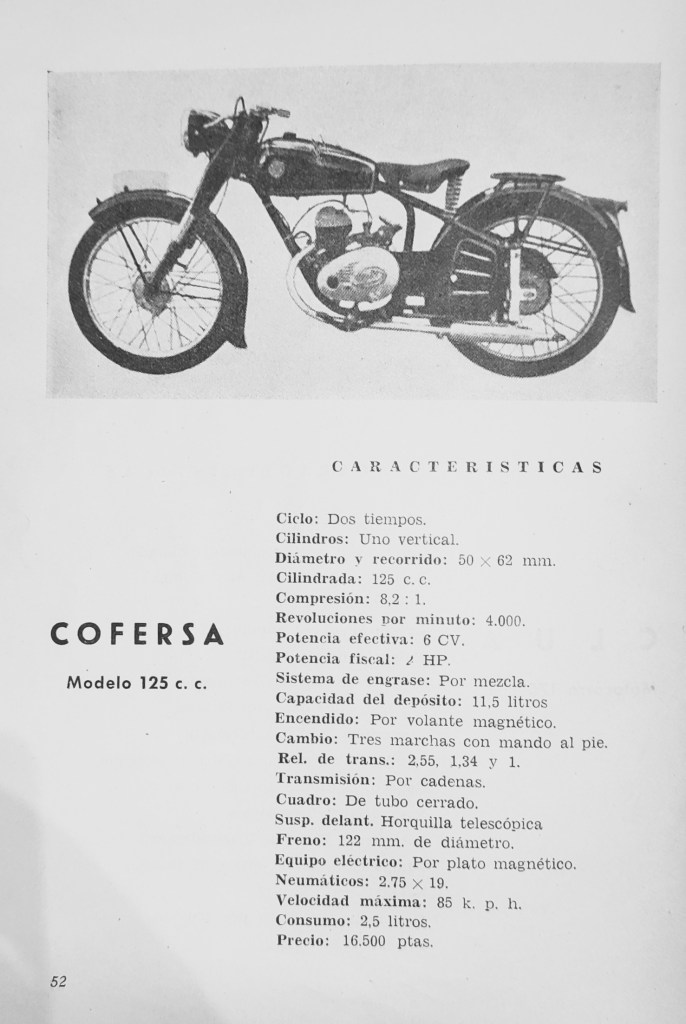
Catalogo Español de Motocicletas 1957 Finanzauto SA
In 1955, Cofersa saw their registrations quadruple and they launched a second model with a 200cc engine, the three-speed, Hispano Villiers type 6M. The 250cc unit (Bore x Stroke 59mm x 72mm = 197cc) gave 9 HP at 4,400 rpm with consumption of 3 litres per 100 kilometres and a reservoir of 15 litres. Their Villiers engines were initially imported from England until they became available as Hispano Villiers units from the Hispano Motor factory in Barcelona.
By late 1955, it is recorded that increased demand for the Cofersa had led to its work force numbering almost 100 people and rapid expansion in production was not unusual at this time. In the 1950s, many of the small, independent Spanish motorcycle manufacturers looked at adding a small car (microcotxes in Catalan) to their portfolio. There are some references to suggest that Cofersa were considering launching a small 2/3-seater vehicle powered by the Hispano Villiers 197cc engine this but there is no conclusive evidence that any such vehicle prototype was completed and, certainly, nothing reached production.
In 1957 Cofersa launched the 197cc, JM model, which incorporated stamped sheet metal panels and a four-speed gearbox.
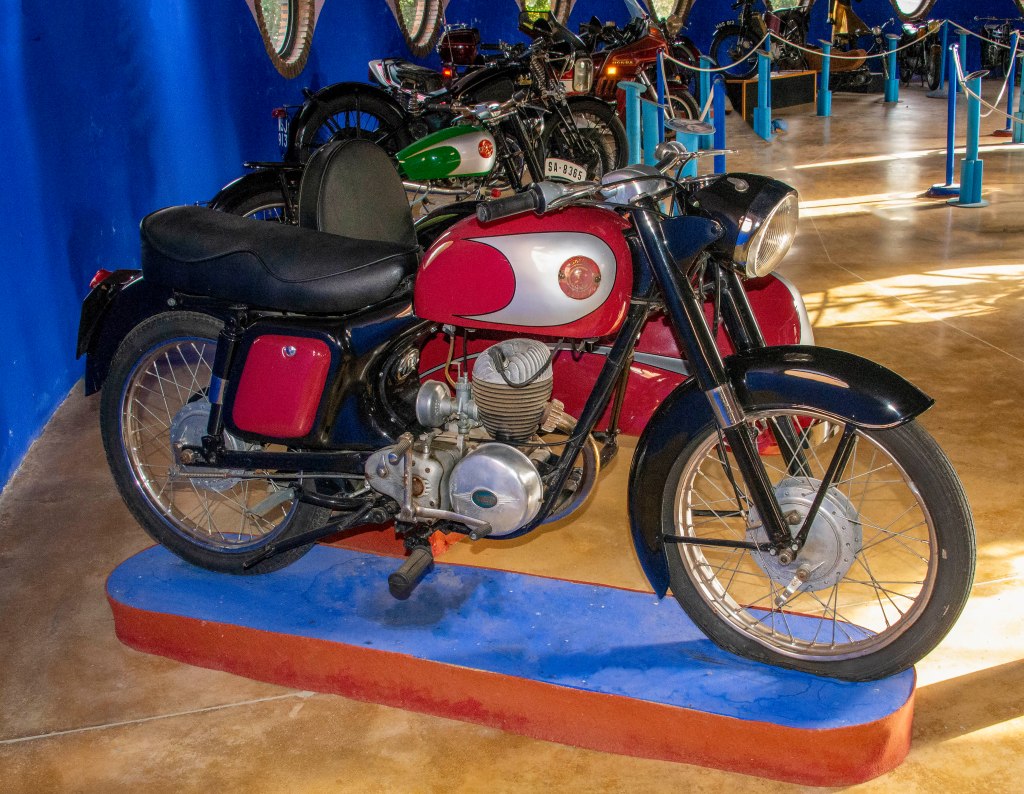
This Cofersa 200cc JM and Sidecar was photographed at the Museo de la Moto y el Coche Clasico, 10700 Hervás (Cáceres)
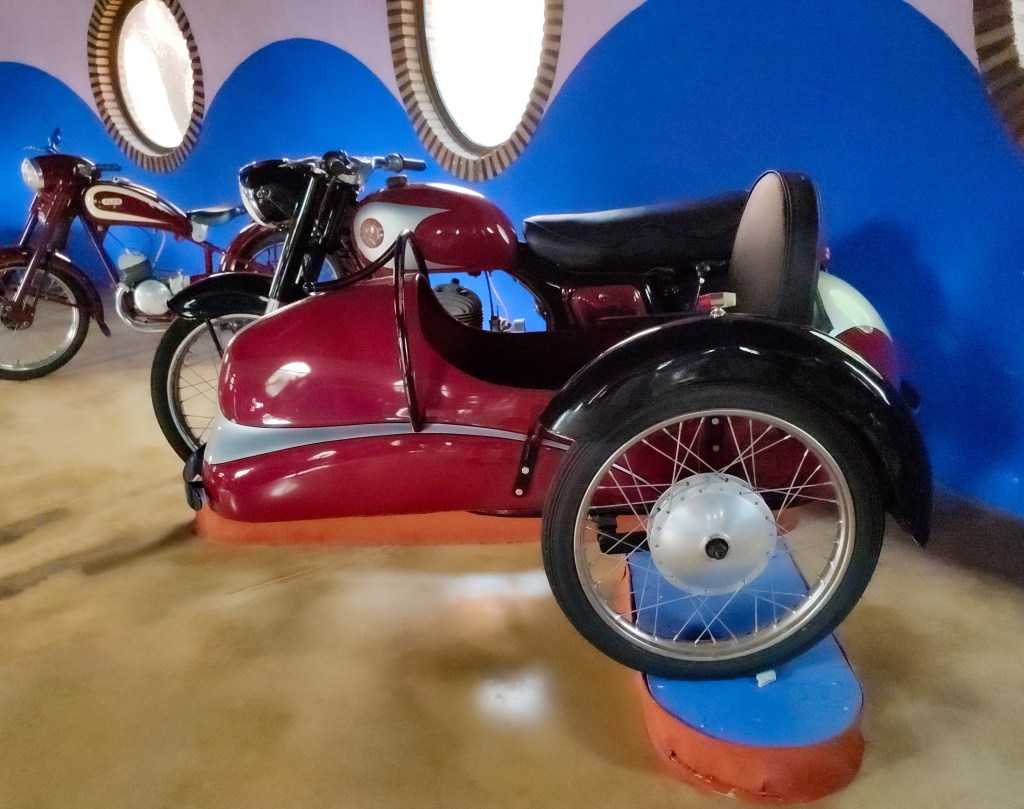
This was followed in 1959 by the Helix model which again came with stamped sheet metal panels and incorporating a protective grill on the rear fender, with the probable purpose of making it easier for women to sit without their skirts getting tangled with the rear wheel.
The company ceased motorcycle manufacturing in 1962, by which time it had produced almost 6,000 motorcycles. References suggest that its premises at Calle Elfo, 80 located in the neighborhood of La Concepción, Madrid turned to producing diesel engines for Barreiros but the exact date of the dissolution of Cofersa is unknown.
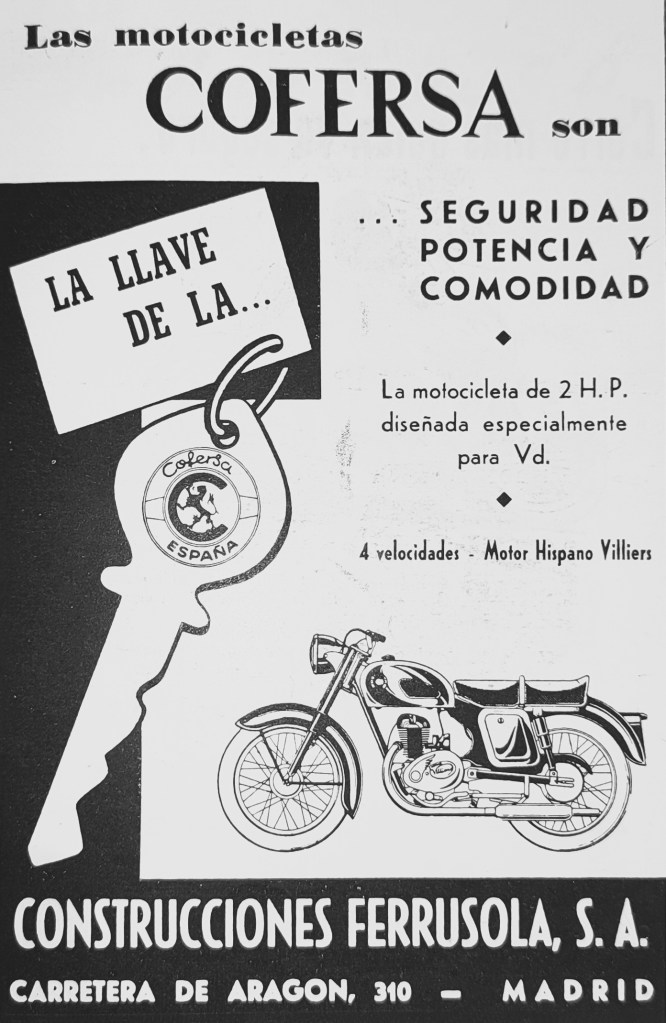
To clarify a small point, often Cofersa adverts and documentation mention MABSA (Motores y Accesorios Barcelona S.A.) and they are often mistaken as a partner but they were a major distributor and concessionaire.
 Spanish Motorcycles