
Alpha was a brand of Spanish motorcycle and motocarro, established in Barcelona by Nil Massó on Carrer Sagués, from 1924 to 1957. His motorcycle manufacturing company started producing machines powered by 175cc and 250cc two-stroke engines, sourced from Villiers and DKW.
Alpha became one of the leading Spanish motorcycle manufacturers in the period leading up to the Spanish Civil War. Beyond that, the Alpha story is complex and included mergers and partnerships but it is a fascinating history.
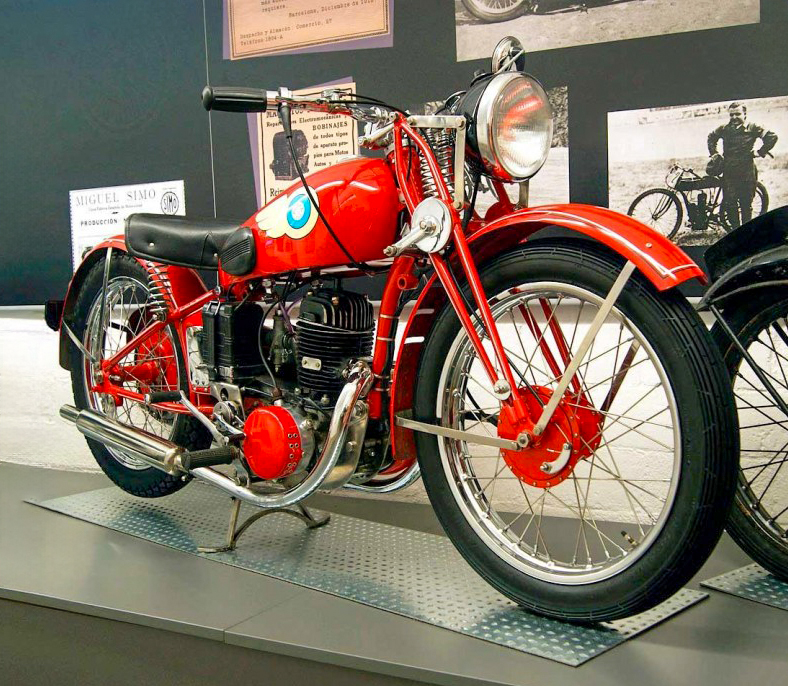
This 1945 Alpha Villiers 350cc was on display in the, now closed, Museu de la Moto Barcelona. The photo is from “360carmuseum.com” who I have approached for permission to use the photo but it appears to be no longer active.
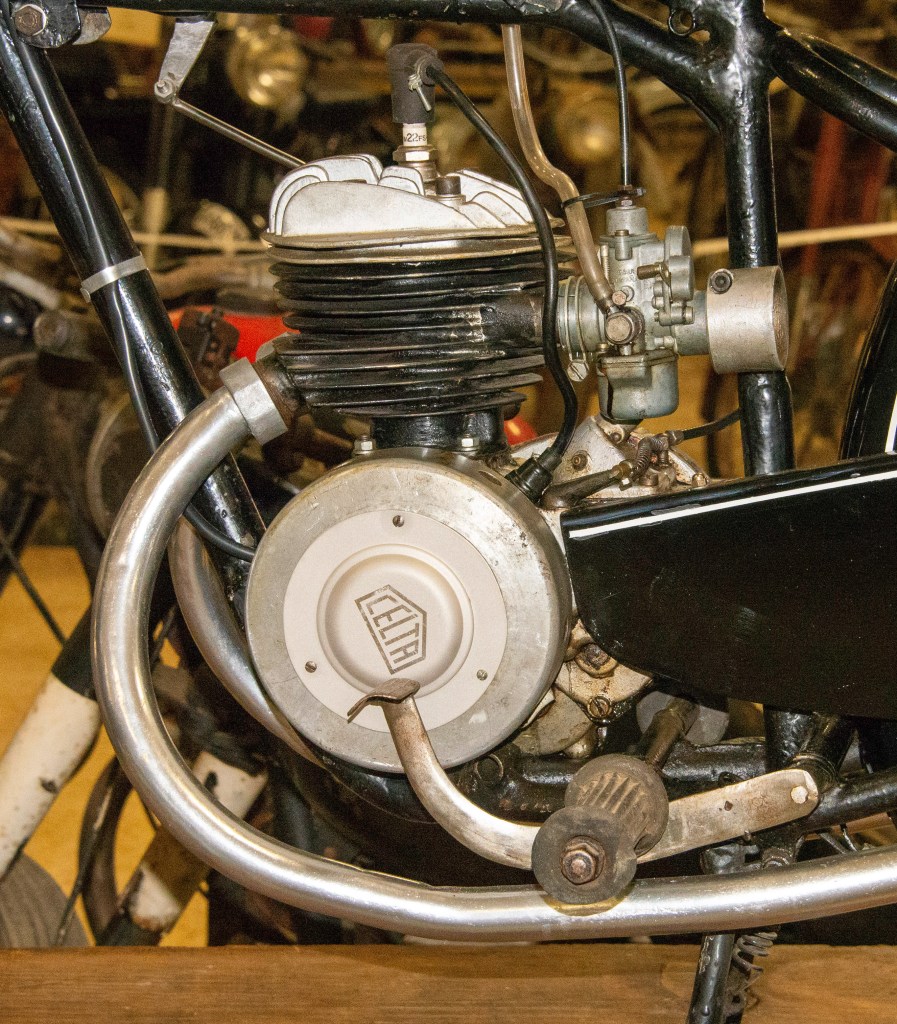
During the post-Civil War era, the company shifted focus to refurbishing and reconstructing military machines and producing auxiliary bicycle engines under the Celta brand. These Celta engines were typically 75cc two-strokes, used in powered bicycles and utility tricycles.
The post-World War II era saw Italian brand Meccanica Verghera Agusta – MV Agusta – plan to expand its sales internationally but they were hindered by Spain’s new import prohibitions and the restrictions on foreign nationals resettling in Spain or creating businesses there. As Alpha had existing production licences, a partnership with Nil Massó was forged and, once the provision of adequate finance had been resolved, MV Alpha was formed in 1948.
The first models to go on sale were powered by a 125cc, two-stroke engine and were offered in different models. A smaller, 98cc model, was subsequently produced and sales were good, but the project was constrained because of the limited facilities available at the Alpha premises and production could not be increased. As a result, in 1951 the licence to produce the MV motorcycles was transferred to the larger and better equipped Avello factory in Gijón and the new MV Avello brand was created (see separate MV Avello/Agusta Chapter).

This 1951 MV Alpha 125cc is from the Colección Medinabi, photograph by Joan Carles Orengo ©JoanCarlesOrengo and reproduced here with his permission.
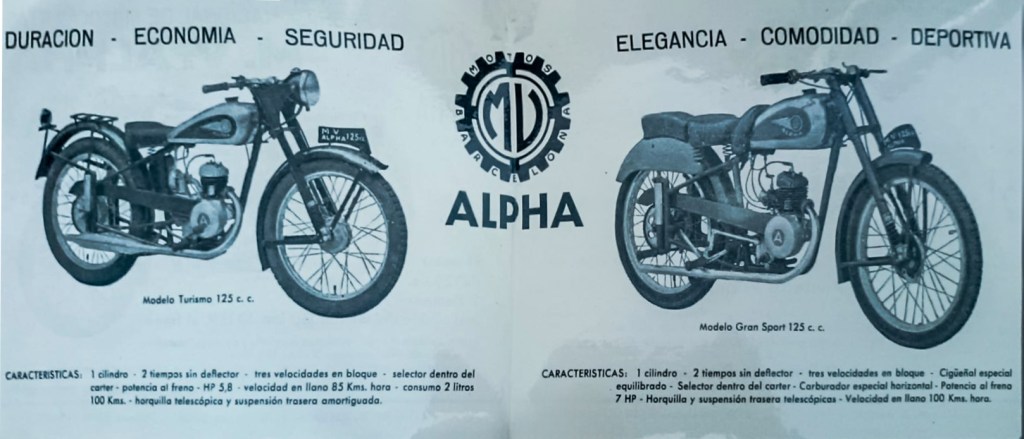
MV Alpha’s debut offerings included models with a 125cc two-stroke engine, followed by a smaller 98cc variant. Despite robust sales, Alpha’s limited floor space and capacity capped production growth, prompting the transfer of MV motorcycle production rights to the more spacious Avello factory in Gijón in 1951, birthing the MV Avello brand. The loss of the MV production deal marked the onset of Alpha’s decline.
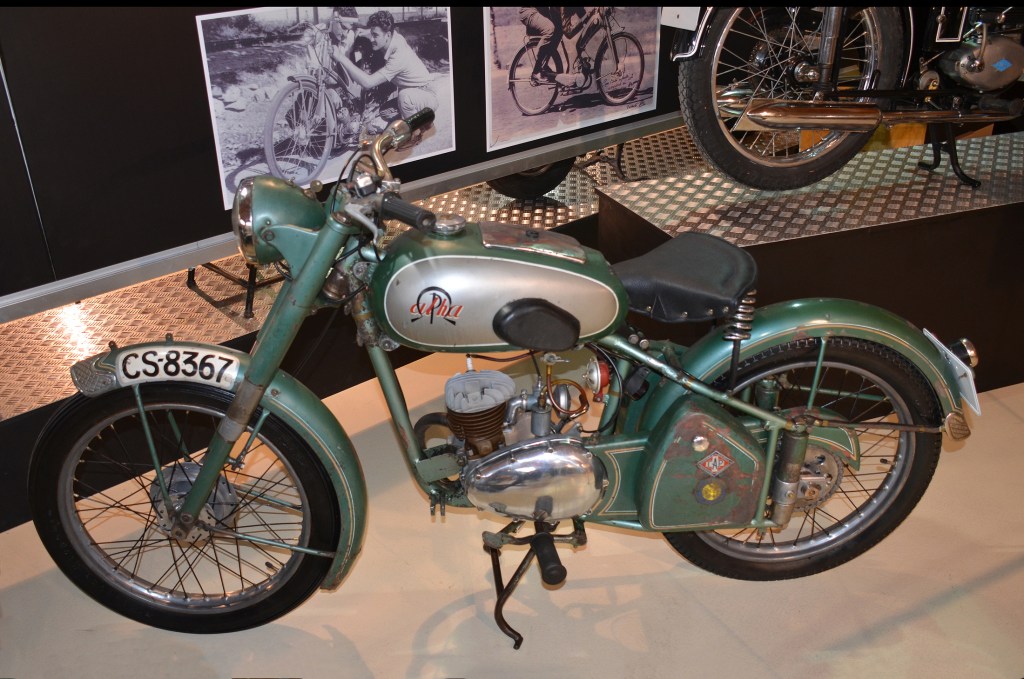
A 1952 Alpha 125cc displayed at the Museu Moto Bassella in Catalonia. The phototograph is supplied by “baffalie” – a fellow Flickr user.
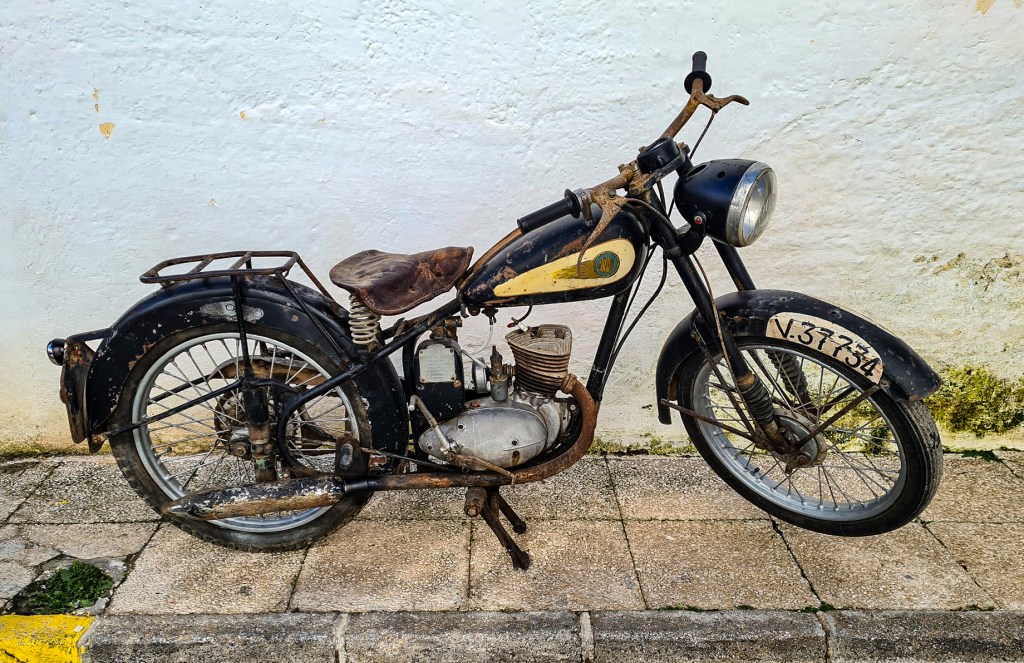
Another Alpha 125cc – this motorcycle is in the Familia Mercado Collection who kindly supplied the photograph.
In 1953, Alpha briefly engaged in producing Evycsa motorcycles with FITA-AMC four-stroke engines.
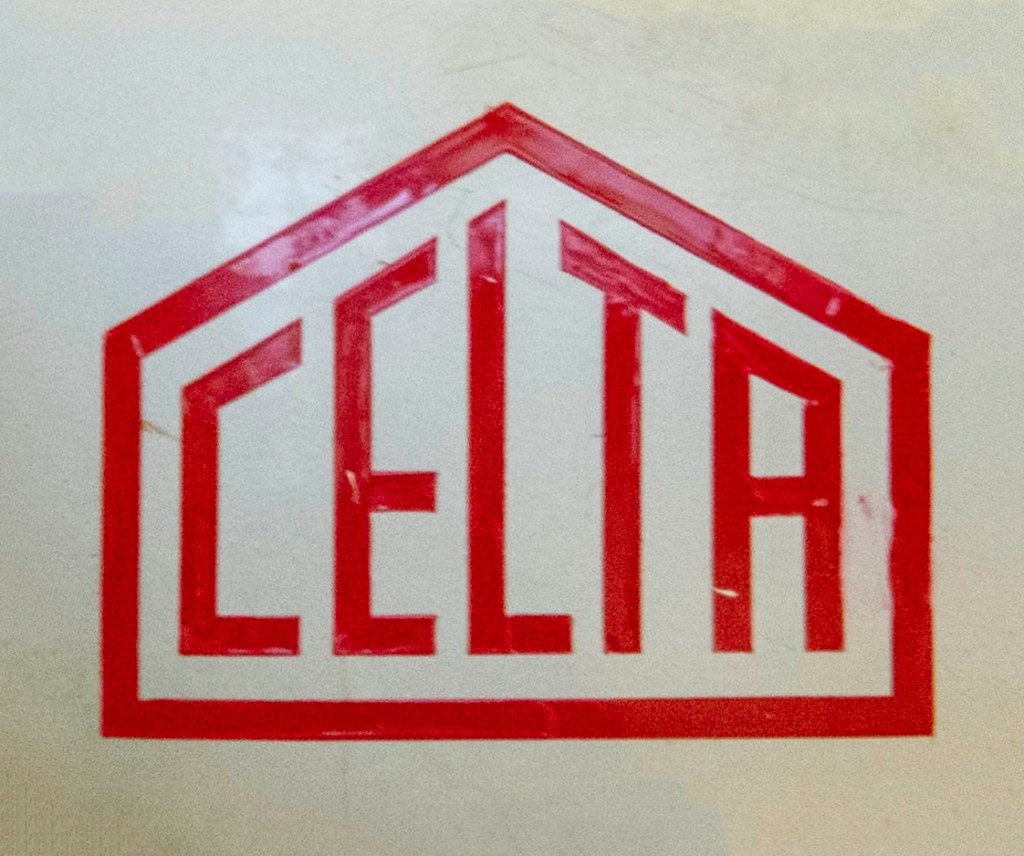
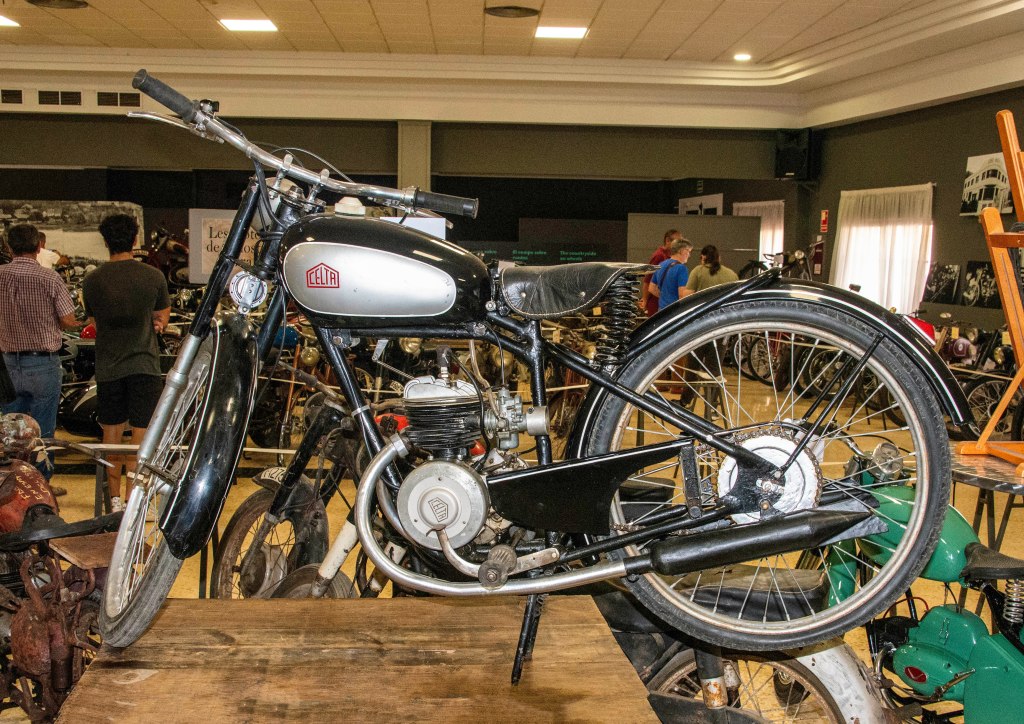
This Celta badged 125cc is unusual in a number of ways. It dates from 1953, so after the loss of the MV Alpha project, and is fitted with a hand operated gear change. The engine has a “Celta” embossed cover to one side. This bike is part of the Sala Santy Collection.
Despite efforts to innovate with motocarros and a 175cc motorcycle inspired by the BSA Bantam, the decline persisted, leading to the eventual closure of the Alpha factory in 1957.
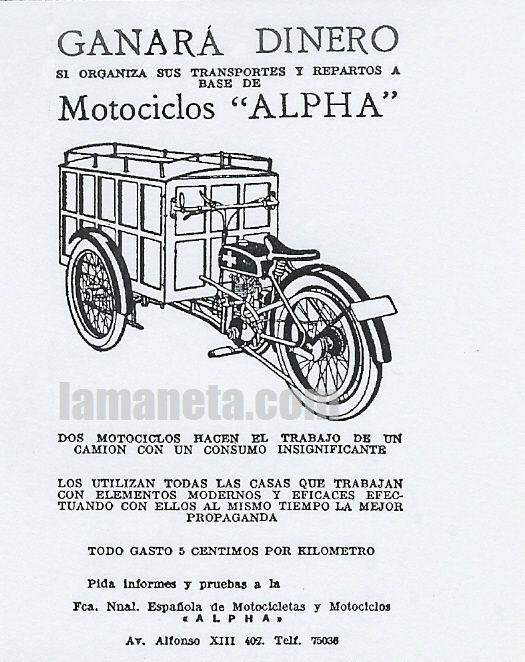
This advertisement is reproduced with the kind permission of the Lamaneta website http://www.lamaneta.com
 Spanish Motorcycles
Leave a comment