
José Bolinches Bacete was born in Játiva (Valencia) in 1910 into a comfortable family background. He proved to be a very successful businessman at a young age, and he had moved to Paris, France by the age of 20. He then moved to Belgium with his very successful fruit importing company, specializing in importing oranges into Belgium from Jativa.
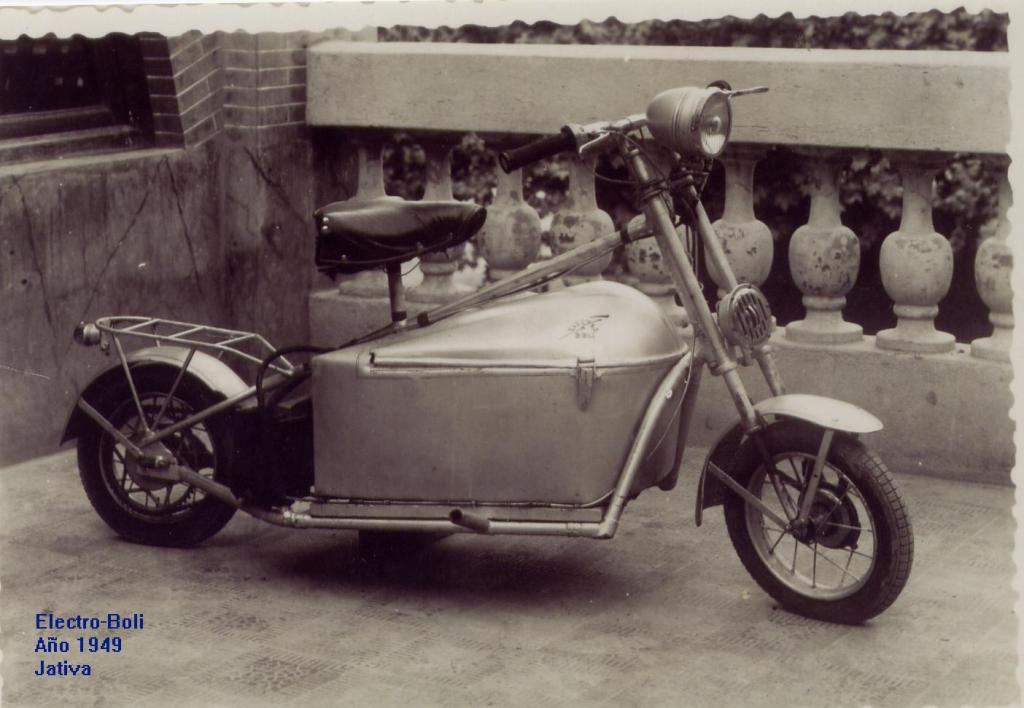
When the Spanish Civil War broke out, José was living in Belgium with his Dutch wife, Yvonne and their 2 sons, still running and his well-established business in Brussels. He returned to his native Spain in 1947 and eventually started the manufacture of furniture for medical use and the hospitality sector including metal deckchairs and tables. In 1949, he created his first vehicle – an electric powered motorbike called the Electro BOLI.
With Headquarters at Calle Pintor Sorolla 13, Valencia, he began producing scooters between 1950 and 1955, under the Cimera brand name. There were different variants: Turismo and Rural, with the Rural being fitted with a tow hitch and a Power take Off (PTO) to drive agricultural pumps etc.
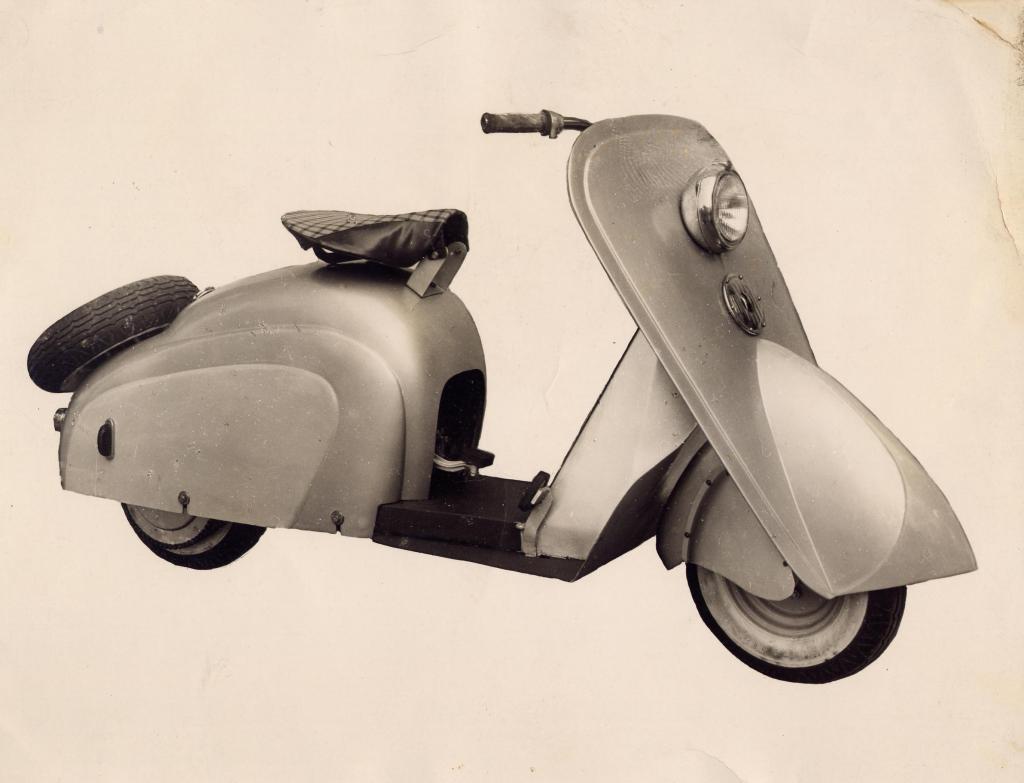
Cimera Scooter
They were powered by a single cylinder, four stroke, side valve, 250cc (70mm x 65mm) engine that developed 8.5 CV at 4,600 rpm. There was an automatic two-speed gearbox giving a range for normal use and steep inclines and rough roads. Aesthetically, the scooters were of an unusual appearance and were presented at the 1953 Valencia Trade Fair in both versions.
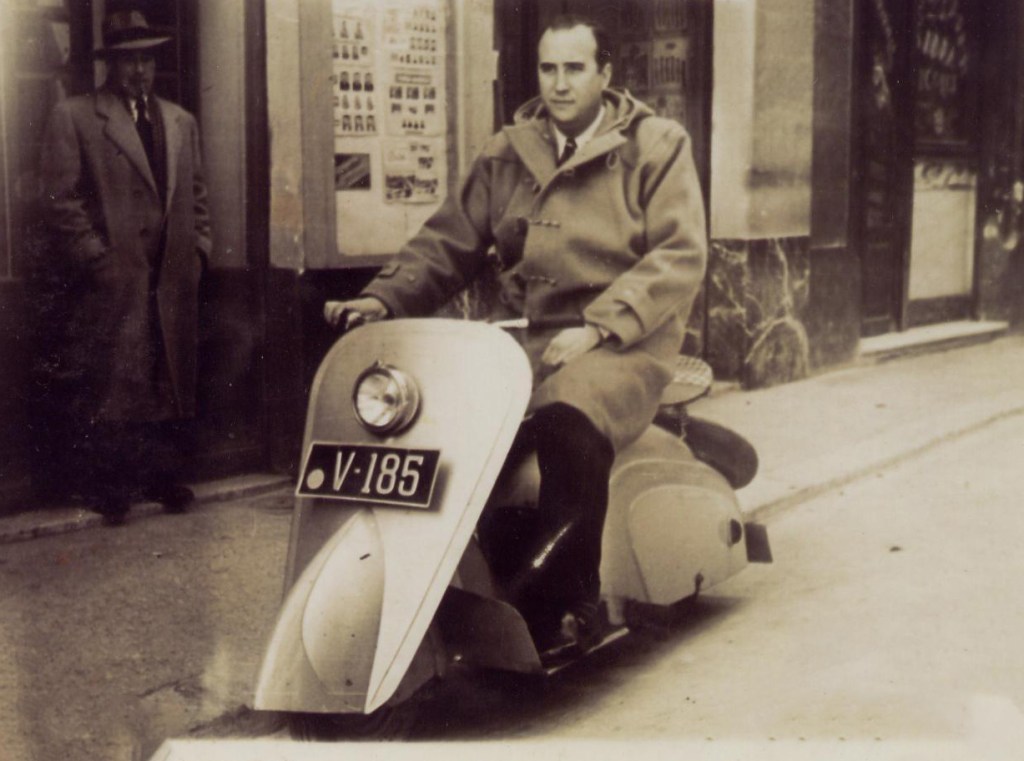
José Bolinches on one of his Cimera scooters in 1951/52
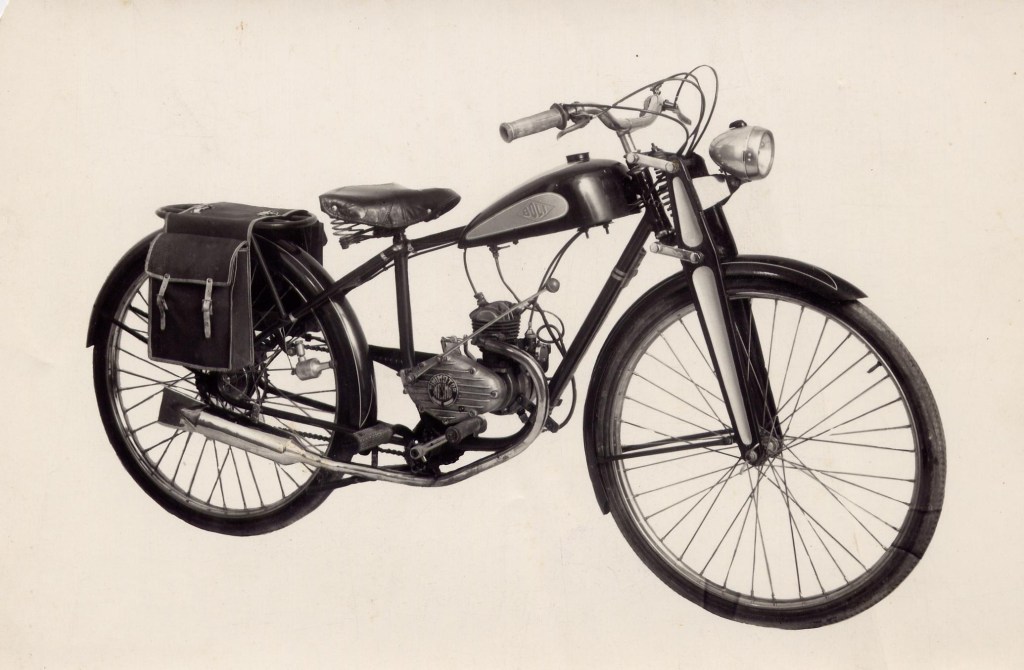
BOLI velomotor in 1950
José Bolinches was refused manufacturing permits for some of his other ideas, including a small, 4 wheeled car. Faced with this, he started to manufacture three wheeled microcars during this same period under both the Cimera and BOLI brand names. The production of the Cimera two-seater variants totaled 5, each with differences but all following a reverse delta format with 2 wheels at the front and a single, chain driven rear wheel. They were fitted with either the single cylinder, Cimera 250cc, four stroke, engine or a single cylinder, Derbi 248cc, two stroke engine.
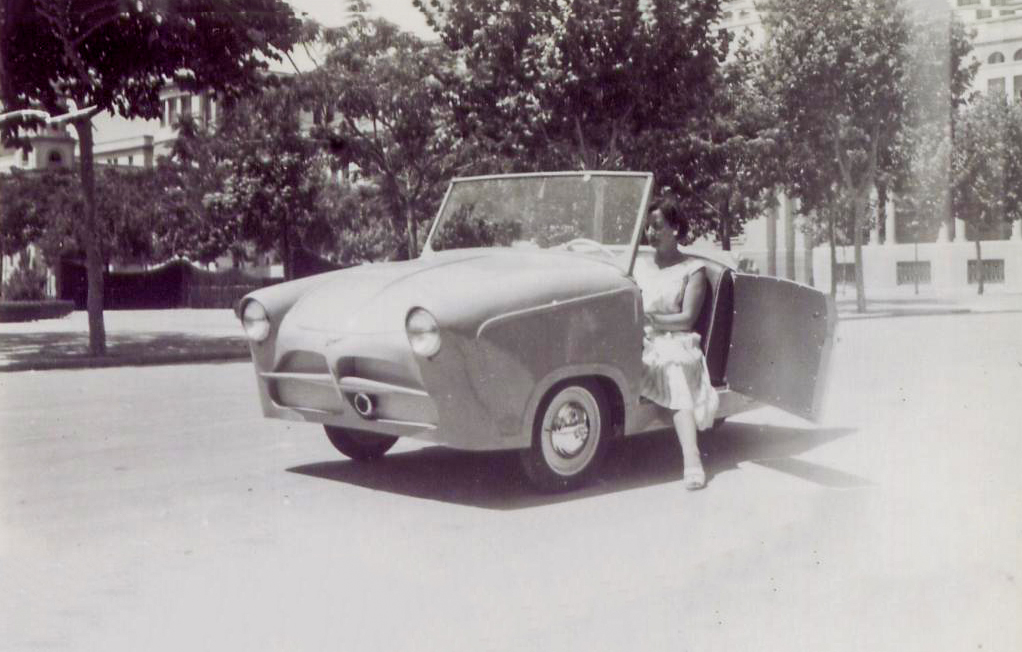
The last of the Cimera microcars with Sra Bolinches in 1955
The BOLI brand examples were introduced in 1954, with 10 examples being produced in two distinct formats. There was a three wheeled, four-seater car that also followed the reverse delta layout with the 248cc Derbi engine mounted in the rear with a final drive by chain to the rear wheel. By contrast, there was a “Camioneta” variant that followed the delta format with the Derbi engine mounted at the front and driving the rear wheels by a shaft and differential. The two-seater cab was enclosed, with a 400 kgs payload cargo box to the rear.
Senor Bolinches also produced a motocarro and a velomotor, both released under the BOLI brand name.
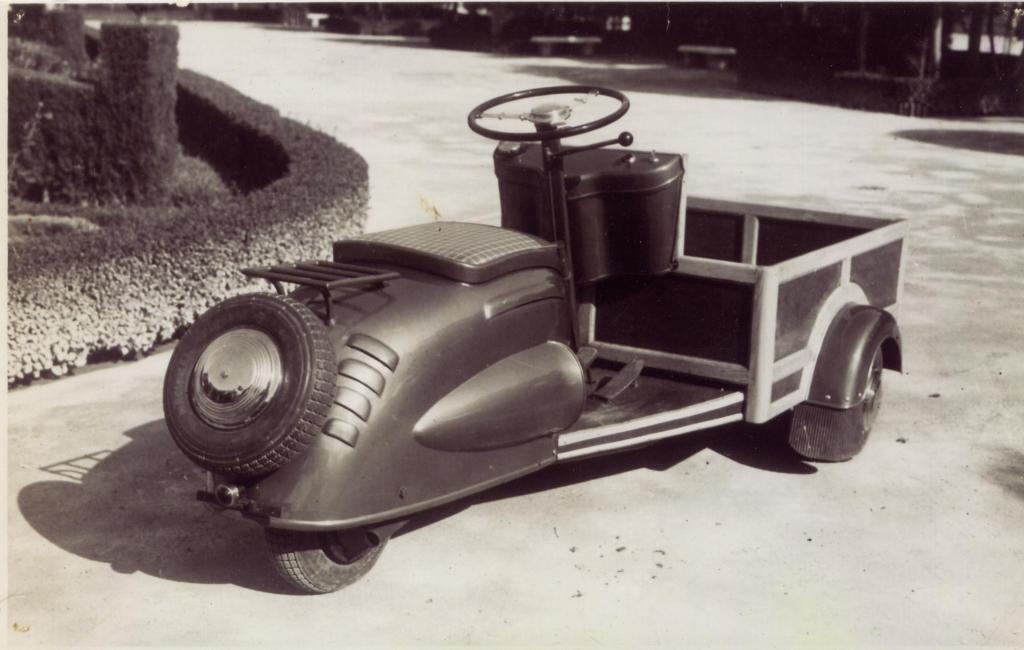
The BOLI branded motocarro circa 1952
Senor Bolinches faced numerous issues in the 1950s, a lack of support and administrative obstacles (of which there were many). It must be remembered that in 1950s Spain it was necessary to obtain a permit to produce vehicles and these could be very difficult to obtain. He eventually achieved commercial success with his “Valiant” brand agricultural cultivator, that he developed in 1958/59 but by then, his health had suffered, and he passed away in 1959.
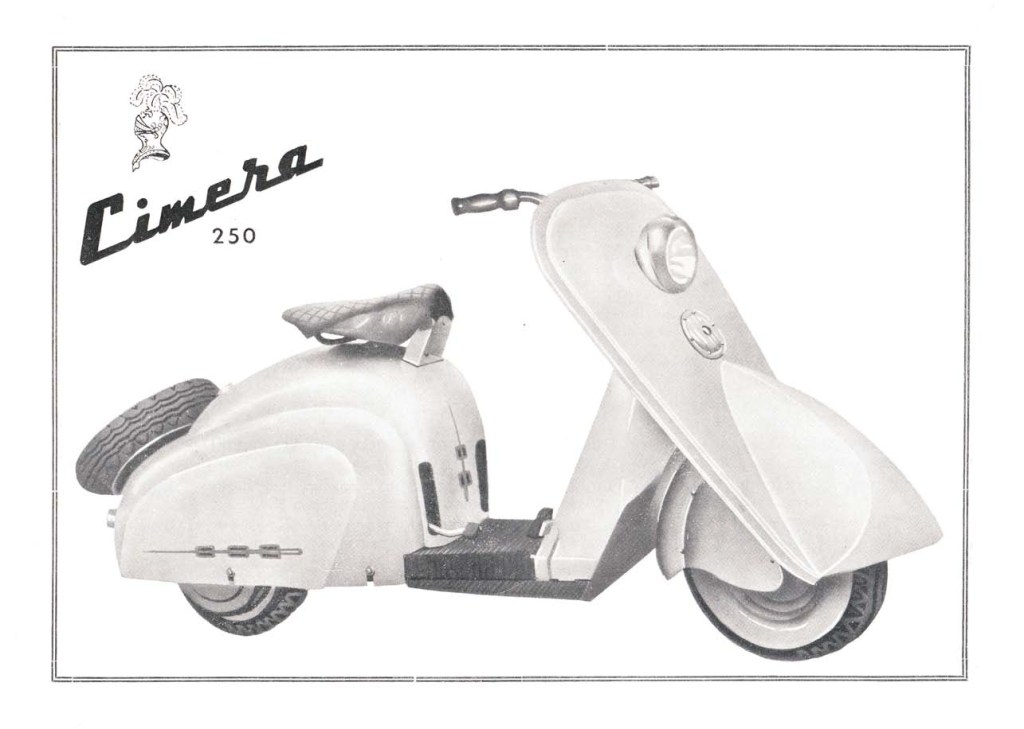
1952 advertising leaflet for the Cimera Scooter
His son, Juan Bolinches, made many of these photographs available to Antequera Classic, Valencia for their website and they, in turn, authorised their reproduction here.

